
2048 Drop and Merge Games
Explore all games ↗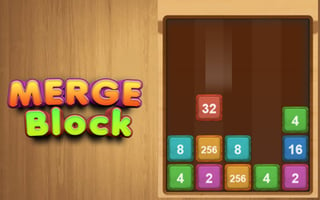
How 2048 drop and merge games work
In a 2048 drop and merge game, a new numbered piece enters from above. Your move decides where it lands or which piece it can meet. When two pieces with the same number come together under the game’s rules, they make the next value. Two 8s form a 16, for example. The aim is to build bigger numbers while leaving enough room for later drops. A board can look almost empty on one side and still be in trouble if the other side has grown too close to the top.
In the sliding game featured in 2048 Games, a single move shifts the whole grid. With dropping pieces, the things already on the board shape the next piece’s route. A low-value block hidden under an unmatched block can stay there for several turns. That is why an early landing decision can matter more than a quick merge higher up.
Choose a game by the kind of drop you want
Start with these games if you want to try three distinct ways to control a falling piece. They share the equal-number rule, but they give you different amounts of time and control before a piece settles.
Pick a column and plan your next merge
Drop N Merge lets you choose where a block enters at your own pace. Before clicking, look at the number on top of each column. Ask which spot gives the incoming block a useful match, and which spot you can still use if the next value has nowhere obvious to go. Drop the Number is another choice if you enjoy building a stack by dropping numbered pieces onto matches.
Move a block while it is falling
Try Magic 2048 for a more active board. The left and right arrow keys move the block across the falling area, and the down key directs it down. The game also supports swipes. Choose your landing area early so you have time to line up the block instead of correcting at the last moment.
Leave room for numbered balls
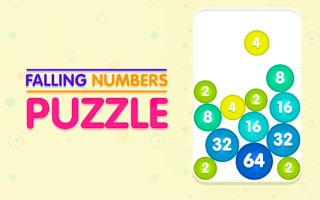
Falling Numbers – 2048 Puzzle uses balls. Pay attention to the shape of the pile as well as the values you can match. A gap that looks open near the top can be hard to use if the surrounding balls deflect the next drop. Look for reachable low spots, especially as the pace picks up.
Build a stack you can still use
Try to keep at least one landing area low. That space gives you somewhere to place an awkward piece without burying a number you were about to match. Before making a merge, think about the result: if two 16s produce a 32, check whether an accessible 32 is nearby and whether the merge will clear space where you need it.
Avoid storing a high value directly over several small numbers you expect to use. If you build the large pieces toward an edge, the other side can handle the small pieces that turn up more often during your run. Treat that as a starting arrangement. If one side starts rising too quickly, use the next matching move to lower the crowded area.
If you enjoy choosing a route for moving numbers but prefer to change lanes along a track, try 2048 Runner Games. For more games built around careful placement, browse Puzzle Games.
Frequently asked questions
How is a number drop puzzle different from classic 2048?
In classic 2048, an input moves the existing tiles across the grid. A drop puzzle gives you an incoming piece and makes its landing position part of the decision.
Which game can I play without rushing the drop?
Drop N Merge lets you tap or click to release the block. Use that pause to compare open columns before committing.
Can two different numbers merge?
The core rule in these games is to match equal values. For example, an 8 and a 16 do not combine through a direct equal-number match.
Which game has numbered balls instead of blocks?
Try Falling Numbers – 2048 Puzzle. Pick a position with mouse or touch and watch how the balls settle.
What are the desktop controls in Magic 2048?
Use the left and right arrow keys to direct blocks sideways and the down arrow to move them downward. Swipe controls are also available.
What should I do when one side of the board gets too high?
Look for a reachable match that frees space in that part of the board. Keep a lower landing area available for pieces that cannot merge yet.