Memory Card Matching Games
Explore all games ↗
What to remember when you flip a card
A picture-pair game tests whether you remember the picture and where it was. Flipping two new cards gives you information you can use later. When you turn over one whose partner you already know, you can use the next flip to take a pair off the board. It helps to make a habit of noticing the picture and its location at the same moment.
Try giving the position a short description. A picture can be on the left edge, one position below the top, or near a card you already removed. Pick a way to label it that you can still use when the pictures are covered. The idea is to remember a small number of clear positions rather than trying to hold the entire board in your head.
Choose the memory rule you want to practice
Start with boards that ask you to find pairs. Once you can use the positions reliably, try a score game that values speed or a version that asks you to remember a recent sequence instead of a place.
Clear pairs one match at a time
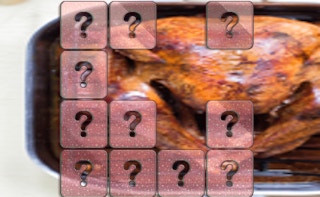
Chicken Memory Match lets you flip chicken pictures and clear the board by finding pairs. Use an edge or corner as an anchor for the pictures you learn first. Flip & Match uses medieval pictures and gives coins for successful matches. Its boards get tougher as you progress. When the layout gets larger, look for a pair in one part of the board before opening several new cards across different areas.
If the two cards you just turned over differ, remember both before making another move. Say which picture was in which part of the board. When a third card matches one of them, use the known location instead of revealing another card in the hope it is the pair.
Pick up the pace when you know a match
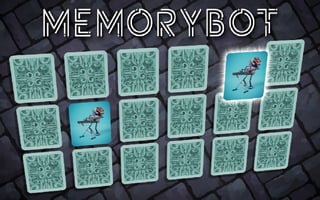
Memorybot rewards finding pairs quickly. Once you know the location of a pair, use it before your attention moves to new pictures. If you have no known pair, turn over a card somewhere you can remember. A quick flip gives you little benefit if you cannot recall either the image or where it was.
Remember the order of recent images
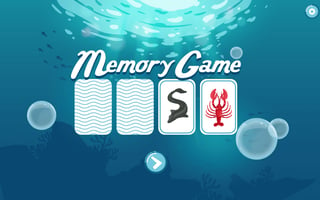
Fish Memory Game changes the task by asking you to compare the current picture to the one from two turns ago. Keep track of the current and recent images as a sequence. When a new one arrives, let the oldest one go so there is room to remember what the next comparison will use.
Say the images to yourself in order while you are learning. If you consistently remember the most recent picture instead of the one before it, slow down enough to recite the last two before each comparison.
For example, if the last two pictures were a shell followed by a fish, compare the next picture with the shell. After that comparison, the fish becomes the older picture in the next pair of positions to track.
When should you reveal a new picture?
Reveal something new when you need information. When a matching pair is already available, take it before making the board more complicated. For more games with cards, browse Card Games. The Puzzle Games collection has other ways to practice recalling positions and planning a move.
Frequently asked questions
Which game is a straightforward picture-pair board?
Chicken Memory Match asks you to turn over chicken-themed cards and clear the board by matching pairs.
Which game has medieval pictures and coin rewards?
Flip & Match uses medieval pictures and rewards successful matches with coins.
What does Memorybot reward?
Memorybot rewards finding pairs quickly, so act on a known match before revealing more pictures.
How is Fish Memory Game different?
You match the current image against one shown two turns earlier rather than focusing on fixed pairs on a board.
What can I do when I forget where an image is?
Use a simple position label for each new picture, such as a row and a side of the board. Attach the label as soon as you see the picture.